

Why Safety Features Matter on a Self-Propelled Scissor Lift Platform
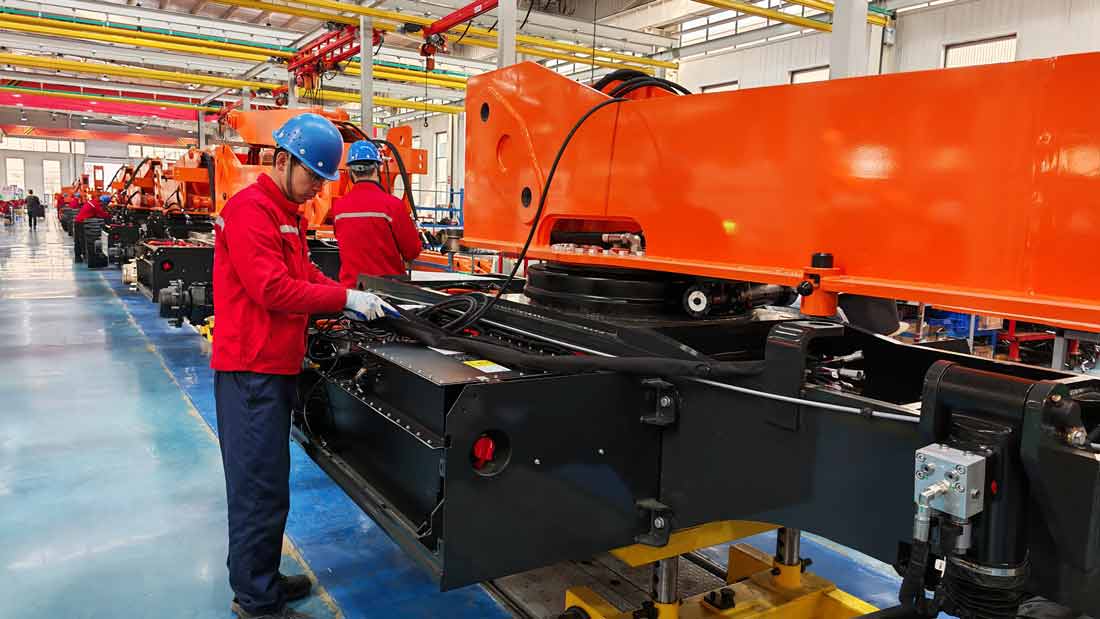
A self-propelled scissor lift platform is designed to provide mobile access to elevated work areas while allowing operators to drive and position the machine directly from the platform. Because the machine combines lifting, driving, and working-at-height functions, its safety systems play an important role in everyday operation.
A properly equipped self propelled scissor lift uses multiple safety features rather than relying on a single protection system. These systems are designed to help reduce risks associated with overloading, excessive platform tilt, unintended movement, uneven surfaces, and emergency situations.
For contractors, rental companies, distributors, and industrial users, understanding the main scissor lift safety features makes it easier to compare equipment and select the right configuration for different applications.
Platform Guardrails and Safety Gate
Guardrails are one of the most visible safety features on a scissor lift platform.
The working platform is normally surrounded by a guardrail system designed to help keep operators and equipment within the designated working area. A platform access gate provides a controlled entry point while the machine is being operated.
Depending on the machine configuration, the platform may include:
- Main guardrails
- Mid-rails
- Toe boards
- Platform access gate
- Folding or removable rail sections
The guardrail system should remain correctly installed and secured during operation. Operators should also avoid using the guardrails as a substitute for proper working procedures or adding unauthorized structures that could change the operating characteristics of the machine.
Emergency Stop System
An emergency stop system is a basic but important feature on a self-propelled scissor lift platform.
Emergency stop controls are commonly positioned where they can be reached quickly by the operator. When activated, the system is intended to stop the relevant machine functions and prevent normal operation until the emergency condition has been addressed.
Depending on the machine design, emergency stop controls may be available at both the platform control station and the ground control station.
For rental fleets and equipment distributors, clearly labeled emergency controls can make the machine easier for different operators to understand and use correctly.
Emergency Lowering System
An emergency lowering system allows the platform to be lowered when normal powered operation is not available.
This function can become important when:
- The main power system fails
- The control system becomes unavailable
- The machine loses normal operating power
- An operator needs to exit the elevated platform under an emergency procedure
The exact emergency lowering design varies between models. Some systems may use manual valves, auxiliary power, or other mechanisms.
When evaluating a self propelled scissor lift, buyers should understand how the emergency lowering function works and ensure that operators are familiar with the manufacturer's instructions.
Overload Protection
Overload protection is designed to help prevent the machine from operating outside its rated platform capacity.
The rated capacity of a scissor lift generally refers to the total permissible load on the platform under specified conditions. This can include:
- Operators
- Tools
- Materials
- Equipment
- Other items carried on the platform
An overload protection system can monitor the load condition and restrict certain machine functions when the permitted capacity is exceeded, depending on the machine design.
This feature is particularly important for rental companies because users may carry different combinations of people and equipment on the same scissor lift platform.
Operators should never treat overload protection as permission to exceed the rated capacity. The manufacturer's rated load remains the primary operating limit.
Tilt Sensor and Inclination Protection
A tilt sensor can monitor the inclination of the machine when it is operating on a slope or uneven surface.
When the machine reaches an inclination beyond the permitted operating range, the control system may generate an alarm or limit certain functions depending on the configuration.
This is particularly relevant when a self-propelled scissor lift platform is used in outdoor environments or on surfaces that are not perfectly level.
The machine's allowable operating slope should always be checked in the manufacturer's specifications. A tilt protection system does not make the machine suitable for slopes beyond its rated operating limits.
Pothole Protection
Pothole protection is particularly useful for self-propelled scissor lifts designed for indoor and outdoor applications.
When the platform is elevated, certain machines use mechanical or automatic pothole protection components to reduce the risk associated with small surface irregularities.
These systems are designed to improve stability and reduce the possibility of the chassis encountering unexpected ground-level obstacles while the platform is raised.
Pothole protection can be especially valuable in:
- Warehouses
- Factories
- Construction areas
- Industrial facilities
- Commercial buildings
However, pothole protection does not mean that the machine can safely operate over large holes, debris, or unsuitable terrain.
Automatic Braking System
A self-propelled scissor lift needs a reliable braking system because the machine must stop and remain stationary both when traveling and when positioned at the work location.
Depending on the drive system, automatic braking may engage when:
- The drive control is released
- The machine is stopped
- Power is removed
- The machine is parked
- The platform is operating under specified conditions
A properly designed braking system helps prevent unintended machine movement.
For rental and industrial applications, the consistency of braking performance is especially important because machines may be repositioned many times during a working day.
Drive Speed Control
Many self-propelled scissor lifts use different travel speeds depending on the machine's operating condition.
For example, a machine may have a higher travel speed when fully lowered and automatically reduce travel speed when the platform is elevated.
This type of control helps operators manage the machine more safely when the center of gravity and overall operating conditions change.
Drive speed control may also work together with:
- Platform height sensors
- Limit switches
- Controller logic
- Steering controls
- Tilt protection systems
These systems allow the machine to automatically adjust certain functions according to its operating state.
Platform Height Limit Functions
The control system of a self-propelled scissor lift platform may monitor platform height and automatically restrict certain functions once the machine reaches specific operating conditions.
For example, the machine may limit travel speed while the platform is raised or prevent certain driving functions when specified conditions are exceeded.
Height-related control functions are designed to coordinate the lifting and driving systems and reduce the possibility of inappropriate operation.
This is particularly important on compact machines used in warehouses and factories where operators frequently switch between driving and elevated work.
Non-Slip Platform Surface
A stable working surface is another important part of scissor lift platform safety.
The platform deck is commonly designed with a surface that helps provide traction for operators while entering, exiting, and moving around the platform.
A non-slip surface can be particularly useful when:
- Operators are carrying tools
- The floor becomes dusty
- The machine is used outdoors
- Maintenance materials are being handled
The platform should also be kept free of oil, debris, loose materials, and other objects that could create a slipping or tripping hazard.
Toe Boards
Toe boards are installed around the lower edge of the platform in many scissor lift configurations.
Their purpose is to help reduce the possibility of tools or other objects sliding directly off the working platform.
This can be particularly important when a self-propelled scissor lift is being used above other workers or equipment.
Operators should still secure loose tools and materials appropriately rather than relying solely on the toe boards to prevent objects from falling.
Interlock and Limit Switch Systems
Electrical and mechanical interlock systems can help prevent certain machine functions from being activated when required conditions have not been met.
Depending on the design, interlocks and limit switches may monitor:
- Platform position
- Guardrail or gate condition
- Emergency stop status
- Stabilizing components
- Chassis position
- Lifting limits
These components work together with the main control system to prevent operation under predefined conditions.
Reliable switches and sensors are therefore important components of overall self propelled scissor lift safety.
Ground Control Station
A ground control station provides an additional method of controlling the machine from ground level.
Depending on the model, the ground controls may allow authorized personnel to:
- Raise the platform
- Lower the platform
- Stop the machine
- Perform emergency lowering
- Access diagnostic information
Ground controls can be especially useful during maintenance, inspection, and emergency situations where platform controls cannot be used.
For rental equipment, clearly labeled ground controls can also make basic machine operation easier for trained service personnel.
Audible and Visual Warning Systems
Modern aerial work platforms may use audible and visual indicators to provide information about machine status.
These may include:
- Travel alarms
- Tilt alarms
- Overload warnings
- Battery indicators
- Diagnostic alerts
- Emergency warnings
Warning systems can help draw attention to conditions that require the operator to stop, reposition, or inspect the machine.
For outdoor work environments with significant background noise, visual indicators may provide an additional layer of information.
Battery and Electrical Protection
Electric self-propelled scissor lifts rely on batteries and electrical control systems for driving and lifting functions.
Safety-related electrical features may include:
- Battery protection
- Circuit protection
- Emergency disconnect
- Charger protection
- Low-voltage warnings
- Controller diagnostics
The battery system should be matched to the machine's electrical design and operating requirements.
For fleet operators, regular inspection of batteries, connectors, cables, charging systems, and electrical components can help maintain reliable equipment performance.
Hydraulic Safety Systems
Many scissor lift platforms use hydraulic systems for lifting.
Hydraulic safety may involve components such as:
- Hydraulic relief valves
- Holding valves
- Check valves
- Hydraulic hoses
- Emergency lowering valves
These components help control hydraulic pressure and platform movement.
The hydraulic system should be regularly inspected for visible leaks, damaged hoses, loose fittings, or other abnormalities. Hydraulic maintenance requirements depend on the specific machine design and manufacturer's service schedule.
Anti-Collision and Obstacle Awareness
Depending on the model, additional systems may help operators identify or respond to obstacles around the machine.
For example, some configurations may incorporate:
- Audible alarms
- Warning lights
- Sensors
- Camera systems
- Proximity detection
These features can be useful in warehouses, factories, and congested construction environments where workers, vehicles, storage racks, and equipment may operate in the same area.
However, electronic detection systems should be considered an additional aid rather than a replacement for operator awareness and proper site procedures.
Stabilizing and Chassis Design
The stability of a self-propelled scissor lift platform depends not only on electronic safety features but also on the physical design of the machine.
Important design factors include:
- Wheelbase
- Track width
- Machine weight
- Center of gravity
- Ground clearance
- Chassis structure
- Platform dimensions
A wider or heavier machine may provide characteristics that are different from those of a lightweight compact model.
For this reason, buyers should compare the complete chassis and lifting system rather than evaluating safety based on one individual feature.
Safety During Outdoor Operation
Outdoor operating conditions can introduce additional variables, including uneven ground, slopes, wind, weather, and changing surface conditions.
When selecting a self-propelled scissor lift platform for outdoor use, buyers should review:
- Maximum allowable wind conditions
- Permitted operating slope
- Ground conditions
- Tire type
- Ground clearance
- Gradeability
- Machine dimensions
- Platform capacity
Wind restrictions are particularly important for elevated platforms because external forces can affect machine stability.
The allowable environmental conditions should always be based on the manufacturer's published specifications.
Safety Features for Rental Fleet Applications
Rental companies face additional safety considerations because machines are operated by different customers and transported between different sites.
A rental-oriented self propelled scissor lift should ideally provide:
- Clearly labeled controls
- Easy-to-understand warning indicators
- Reliable emergency controls
- Durable guardrails
- Simple inspection procedures
- Accessible service points
- Diagnostic functions
- Complete operating documentation
Rental operators should also maintain inspection and maintenance procedures between rental cycles.
A machine that is simple to inspect and operate can help rental companies manage equipment more efficiently while maintaining consistent operating standards.
Safety Features for Distributors and OEM Buyers
For distributors and OEM customers, safety should be evaluated together with product consistency, documentation, and after-sales support.
Before purchasing a self-propelled scissor lift platform, distributors should confirm:
- Applicable market certification
- Safety-related specifications
- Operator manual availability
- Wiring and hydraulic diagrams where applicable
- Spare parts support
- Technical documentation
- Warranty terms
- Service training
- Replacement component availability
These factors can directly affect the ability to sell, support, and maintain machines in different markets.
Safety Checks Before Operating a Scissor Lift
Even when a machine includes multiple safety systems, daily inspection remains essential.
Before operation, trained operators should follow the manufacturer's inspection procedures and check relevant areas such as:
- Tires and wheels
- Guardrails
- Platform gate
- Emergency stop controls
- Warning alarms
- Battery condition
- Hydraulic system
- Steering and drive functions
- Braking system
- Safety switches
- Platform controls
- Ground controls
- Visible structural damage
Any abnormal condition should be addressed according to the manufacturer's instructions before the machine is put into service.
How to Compare Safety Features Between Different Models
When comparing different self-propelled scissor lift platforms, do not judge safety based only on the number of features listed in a brochure.
Instead, compare how the major systems work together.
A practical comparison should include:
| Safety Feature | What to Check |
|---|---|
| Guardrails | Platform protection and access gate |
| Emergency Stop | Location and function |
| Emergency Lowering | Manual or auxiliary lowering method |
| Overload Protection | Load monitoring and response |
| Tilt Protection | Tilt sensor and warning function |
| Pothole Protection | Automatic or mechanical system |
| Braking | Automatic braking and parking performance |
| Speed Control | Travel speed when elevated |
| Limit Switches | Platform and chassis monitoring |
| Warning Systems | Audible and visual alerts |
| Ground Controls | Emergency and service operation |
| Hydraulic Safety | Valves and pressure protection |
| Electrical Protection | Battery and circuit protection |
| Platform Surface | Non-slip working deck |
| Toe Boards | Edge protection |
| Documentation | Manuals and operating procedures |
The most suitable machine is not necessarily the model with the longest feature list. What matters is whether the safety systems are appropriate for the machine's working height, platform capacity, operating environment, and intended application.
Choosing a Self-Propelled Scissor Lift with the Right Safety Configuration
A self-propelled scissor lift platform should be evaluated as a complete working system. Guardrails, emergency stop controls, emergency lowering, overload protection, tilt monitoring, braking, pothole protection, warning systems, and hydraulic and electrical protection all contribute to safer operation.
For contractors, rental companies, distributors, and industrial users, the right safety configuration depends on where and how the equipment will be used. Indoor warehouse applications may prioritize compact dimensions, electric operation, and precise control, while outdoor projects may require additional consideration of terrain, gradeability, ground clearance, and environmental conditions.
When purchasing a self propelled scissor lift, buyers should review the machine's complete specifications, safety systems, documentation, and after-sales support rather than focusing on a single feature or headline specification.